Translating a lesson into another language doesn’t make it ready for another country’s classroom. A math lesson built for a CBSE student in India follows a different sequence, different notation conventions, and different grade-level expectations than the equivalent lesson for a student following an international curriculum board. Translate the words without addressing any of that, and the content is linguistically correct but structurally wrong for the student receiving it. This is the problem at the heart of multilingual and multi-curriculum EdTech AI, and it’s a problem that goes well beyond language.
As edtech platforms expand across regions, they’re not just adding languages; they’re adding entire curriculum systems, each with its own standards, sequencing, and conventions. Treating this as a translation project rather than a re-annotation project is where most scaling efforts run into trouble.
It’s tempting to assume that once content works in one language and curriculum, scaling it elsewhere is mostly a translation task. That assumption breaks down quickly. A word problem translated word-for-word can use measurement units, currency, or cultural references unfamiliar to students in the new region. A grading rubric calibrated for one curriculum’s standards may not map cleanly onto another’s grade-level expectations. Even basic sequencing can differ: a concept taught in grade 6 under one curriculum might be introduced a year earlier or later under another.
Translation addresses language. It does nothing to address curriculum structure, content appropriateness, or standards alignment, all of which need their own layer of work.
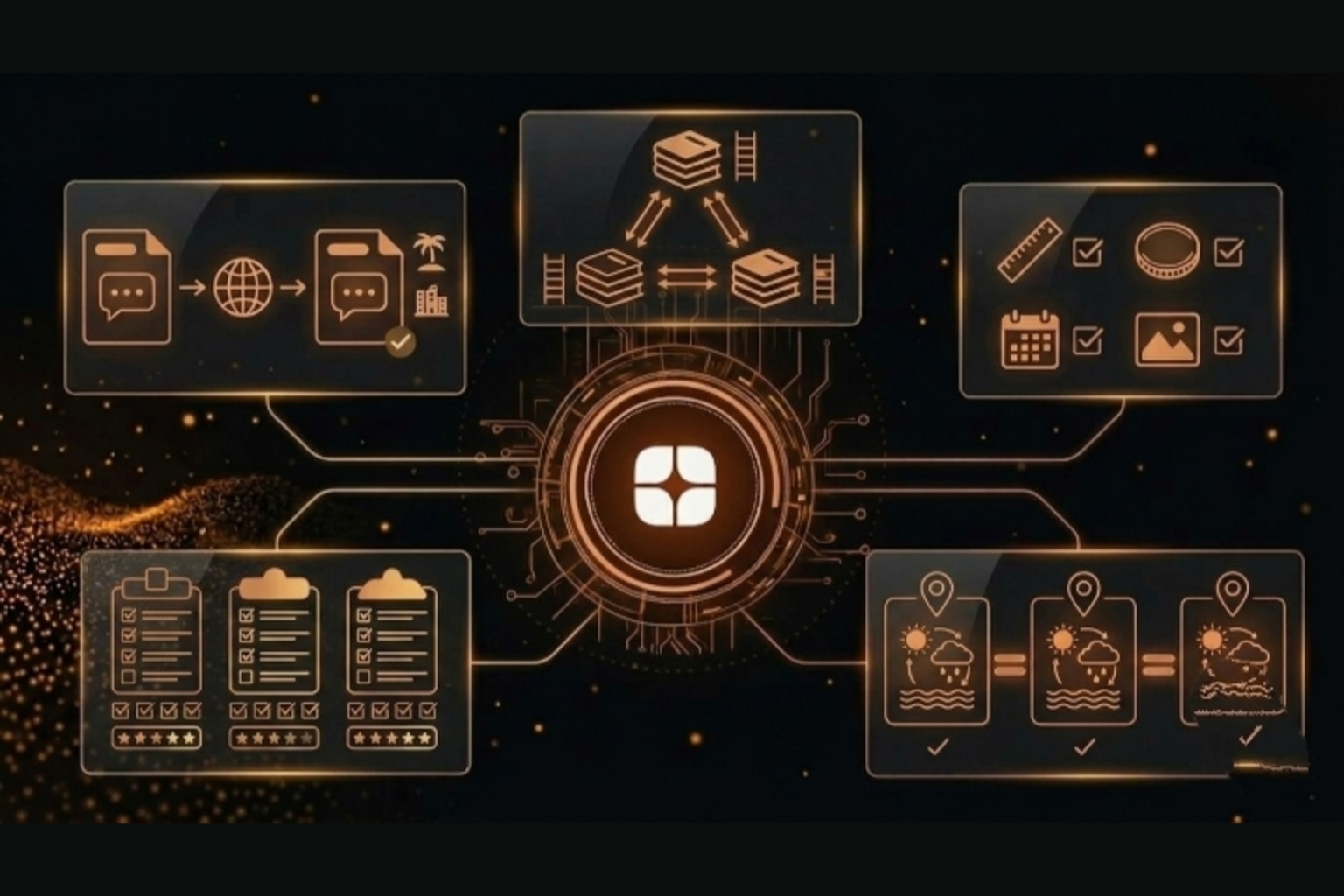
Multilingual and multi-curriculum EdTech AI depends on several layers of annotation that go beyond straightforward translation.
Localized content review, not just translation: Beyond translating language, content needs review for cultural relevance, appropriate examples, and region-specific conventions like measurement systems or currency.
Cross-curriculum standards mapping: Content needs to be mapped against the specific standards of each curriculum framework it serves, since the same topic can sit at different grade levels or in different sequences depending on the framework.
Dialect and regional language variation handling: Regional dialects and vocabulary differences matter for comprehension, particularly for younger students who may not be familiar with a more formal or non-regional variant of their own language.
Curriculum-specific assessment calibration: Grading criteria and rubrics need separate calibration for each curriculum, since a response considered complete under one framework’s standards might be judged incomplete under another’s.
Consistency across equivalent content versions: When the same lesson exists in multiple languages and curriculum versions, annotation needs to confirm all versions are actually teaching the equivalent concept at an equivalent level.
Being fluent in two languages doesn’t qualify someone to judge whether a lesson’s difficulty, sequencing, and cultural framing are appropriate for a specific regional curriculum. That judgment requires people who understand both the language and the educational context, native or near-native language ability combined with real familiarity with how a specific curriculum structures its standards.
Multilingual, multi-curriculum work doesn’t replace the other layers of edtech annotation; it compounds them. The same rubric-aligned, subject-matter grading discussed in our earlier post on automated essay and response grading needs separate calibration for each curriculum a platform serves, since what counts as a correct, complete response can shift depending on the standards being applied.
Consider a science lesson on the water cycle, originally built for a CBSE classroom in India and now being adapted for an international curriculum board serving students in Southeast Asia. A straight translation would simply render the same lesson into a new language. A properly re-annotated version checks several additional things: whether the concept is introduced at the same grade level under the new curriculum, whether the diagrams use regionally familiar examples like local rainfall patterns instead of ones tied to the original region, and whether the accompanying assessment questions match the phrasing and difficulty conventions students in the new system actually expect. The underlying science doesn’t change. Everything around how it’s taught, tested, and contextualized does, and that’s exactly the layer translation alone never touches.
A well-annotated multilingual, multi-curriculum content library should show documented standards mappings for every curriculum served, localization review distinct from pure translation, and validation that equivalent content versions are actually teaching the same concept at the same level.
Scaling edtech AI across regions is not a translation problem. It’s a re-annotation problem that touches language, curriculum structure, cultural relevance, and assessment calibration all at once. Doing it well requires annotators who understand both the language and the specific educational context they’re adapting content for.
Because translation addresses language only, not curriculum structure, sequencing, or standards alignment, which also differ by region.
It’s mapping the same content against different curriculum frameworks’ standards, since grade level and sequencing can vary.
Because what counts as a complete, correct response can differ depending on which curriculum’s standards are being applied.
Not alone, since judging curriculum fit also requires real familiarity with how a specific framework structures standards.
Yes, regional vocabulary and dialect variation can affect comprehension, especially for younger students.